The jaguar is one of the most powerful predators in the Americas. Among them, the black jaguar stands out as a rare and majestic variant. This dark big cat, often called a black panther, captures our imagination. But is it a separate species? The answer is no. It is simply a jaguar with a special genetic condition. This condition, called melanism, makes its coat look black. These animals are not mythical creatures; they are real, living symbols of wild beauty and power.
Today, we will explore the world of this amazing animal. We will learn what makes the black jaguar so unique. We will look at its biology, habitat, and the challenges it faces. Understanding these cats helps us appreciate the rich diversity of nature. Many people do not know that these “black panthers” are actually jaguars. This guide will clear up the confusion and reveal the true story of the black jaguar. We will use simple language to make this fascinating topic easy for everyone to understand.
Table of Contents
What is a Black Jaguar?
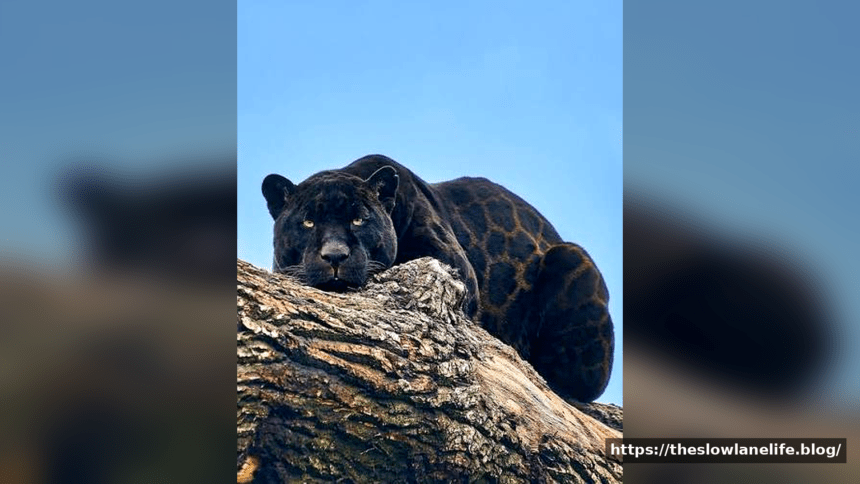
A black jaguar is not a different type of cat. It is the same species as the spotted jaguar (Panthera onca). The difference is only in its fur color. This color change comes from melanism. Melanism is a natural genetic mutation. It causes an excess of the dark pigment called melanin. This turns the cat’s coat almost entirely black.
The term “black panther” is a general name. It is often used for melanistic jaguars in the Americas. In Africa and Asia, it refers to melanistic leopards. So, a “black panther” could be a jaguar or a leopard, depending on where it lives. This is why the scientific name is important. It keeps us from confusing these beautiful animals.
Even though a black jaguar looks solid black, it still has spots. These spots are called rosettes. They are the same pattern found on regular, golden jaguars. If you look very closely at a black jaguar in the right light, you can see its rosettes. They are like a “ghost” pattern hidden in its dark fur. This shows that the genetics for spots are still there, just masked by the dark color.
Why Are They Black? The Science of Melanism
The black coat of a black jaguar is due to a dominant gene. This means that only one parent needs to pass on this gene for the cub to be black. This is different from black leopards, where the gene is recessive. This genetic trait is what creates these stunning cats.
This dark coloring gives the jaguar an advantage in the wild. It helps with camouflage. In the dark, dense rainforests of South America, a black jaguar can hide easily. This makes it a better hunter. It can stalk prey without being seen. This is a useful trait for a powerful predator that is active at night.
It is estimated that only about 6 to 11 percent of the jaguar population is black. This makes them a rare sight. For every hundred jaguars in the wild, only a handful are black. This rarity makes the black jaguar a special and sought-after sighting for wildlife enthusiasts.
Where Do Black Jaguars Live?
Black jaguars live in the same places as their spotted cousins. Their range stretches from Mexico to Argentina. They are found in many different habitats. These include dense rainforests, swamps, and even dry scrublands. They are most common in the Amazon rainforest. This vast, untouched area provides them with plenty of space and prey.
The black jaguar is a top predator in its ecosystem. It plays a key role in keeping the environment healthy. By controlling the populations of other animals, they help maintain balance. Their presence is a sign of a healthy forest. It shows that the area is rich in biodiversity. The jaguar is a keystone species, meaning its survival is important for many other species.
Historically, jaguars lived as far north as the southern United States. States like Arizona and Texas were once part of their range. However, today, sightings in the US are extremely rare. They are mostly considered vagrants, or wandering individuals, from Mexico. There is no breeding population in the US anymore.
The Difference Between a Jaguar and a Leopard
People often confuse jaguars and leopards. They look similar, but they are different cats in different parts of the world. Jaguars live in the Americas. Leopards live in Africa and Asia. This is a simple way to tell them apart based on location. A black cat in the Amazon is a black jaguar. A black cat in Kenya is a black leopard.
There are also physical differences. Jaguars are more heavily built than leopards. They have stocky, powerful bodies and a large head. Their rosettes are larger. These rosettes have small black spots inside them. Leopards have smaller, rounder rosettes. Jaguars also have a stronger bite. Their jaw is powerful enough to crush turtle shells and pierce crocodile skin.
Understanding these differences helps people see them as distinct. A black jaguar is often called a “black panther,” which adds to the confusion. While it is not incorrect to call it a panther, it is more accurate to call it a melanistic jaguar. This gives it its proper identity as the Americas’ great big cat.
The Lifestyle of the Black Jaguar
Black jaguars are solitary and powerful animals. They are masters of stealth and strength. Unlike many other big cats, they love water. They are excellent swimmers. They often hunt in rivers and swamps. Their prey includes caimans, capybaras, and fish. Their love for water is a key part of their hunting behavior.
These cats are apex predators. They will eat almost any animal they can catch. Their diet includes deer, peccaries, tapirs, and even armadillos. They also hunt monkeys and birds. They are known to be “opportunistic hunters.” This means they take advantage of whatever prey is available. Their powerful bite is a key hunting tool. They often kill prey by crushing the skull with one bite.
Jaguars are creatures of the night. They are mostly active during the twilight hours of dusk and dawn. This helps them avoid the heat of the day. It also makes them more effective hunters. Their dark coat is perfect for hiding in the shadows. This makes the black jaguar a nearly invisible hunter in the dim light of the rainforest.
Are Black Jaguars Endangered?
The black jaguar is not a separate species, so it shares the status of the jaguar. The jaguar is listed as “Near Threatened” on the IUCN Red List. This means they are not yet endangered, but they face serious threats. Their population is declining. They need our help to survive.
The main threats to jaguars are habitat loss and human conflict. Deforestation is a major issue. Forests are being cut down for agriculture and cattle ranching. This destroys their homes. When forests shrink, jaguars lose their prey. They are then forced to hunt livestock. This leads to conflict with farmers. Farmers often kill jaguars to protect their cattle.
Despite legal protection, poaching is also a concern. Jaguars are hunted for their teeth, claws, and bones. These are sold illegally as status symbols. They are also killed for their fur. These threats are serious. Conservation groups are working hard to protect them. They work to create protected areas and reduce conflict. The future of the black jaguar depends on these efforts.
Cultural Significance of the Black Jaguar
Throughout history, the black jaguar has been a symbol of power and mystery. For many indigenous peoples in Latin America, it is a sacred animal. It represents strength, the power of nature, and the spirit of the jungle. They are seen as protectors of the forest. This is a very different view compared to the “bad luck” associated with black cats in other cultures.
The word “jaguar” comes from the Tupi and Guarani language. It means “he who kills with one leap.” This name reflects the animal’s power and hunting skill. It is a name that inspires awe. The black jaguar, with its dark and striking appearance, holds a special place. It is often featured in folklore and mythology. It is seen as a guardian spirit.
The black jaguar also appears in modern culture. It is a popular symbol in art and media. Its image is used to represent power, stealth, and elegance. The mystery of the black panther has captivated people for generations. It continues to be a powerful and iconic animal in the modern world.
Conservation Efforts for the Jaguar
Many organizations are working to save the jaguar. The goal is to protect their habitat. It also involves reducing human-jaguar conflict. The World Wildlife Fund (WWF) and the IUCN are leading many efforts. They work with governments and local communities. They focus on creating protected areas and wildlife corridors. These corridors allow jaguars to move safely between habitats.
The 2030 Jaguar Roadmap is a big conservation plan. It aims to secure 30 key landscapes for jaguars by 2030. This involves 18 countries where jaguars live. The goal is to ensure long-term survival. The CMS Jaguar Initiative is another effort. It promotes cross-border cooperation. Jaguars do not recognize borders, so international teamwork is essential.
Education is also a big part of conservation. Teaching people about the importance of jaguars helps reduce conflict. It also helps stop poaching. When communities understand the value of these animals, they are more likely to protect them. The future of the black jaguar depends on these combined efforts. We must protect them for the next generation.
A Detailed Look at the Black Jaguar
| Category | Details |
| Scientific Name | Panthera onca |
| Common Name | Black Jaguar, Black Panther (colloquial) |
| Color | Appears solid black due to melanism, rosettes are visible in good light |
| Habitat | Dense rainforests, swamps, scrublands; found near water |
| Geographic Range | Central and South America, from Mexico to Argentina. Core population in the Amazon |
| Diet | Carnivore: deer, peccaries, capybaras, caimans, turtles, and fish |
| Lifespan | 12-15 years in the wild; up to 20 years in captivity |
| Conservation Status | Near Threatened (IUCN) |
| Population Estimate | About 6-11% of jaguars are black; total wild jaguar population ~15,000 |
| Key Adaptation | Powerful bite, excellent swimmer, strong climber |
Frequently Asked Questions About Black Jaguars
Are black jaguars a separate species?
No, they are not a separate species. They are a color variant of the jaguar (Panthera onca) caused by a genetic condition called melanism.
What is the difference between a black jaguar and a black panther?
“Black panther” is a general term for any melanistic big cat. In the Americas, it refers to a black jaguar. In Africa and Asia, it refers to a black leopard.
Do black jaguars have spots?
Yes, they do! They still have the rosettes (spots) typical of jaguars. They are just very hard to see against their black fur. Look closely, and you can find them.
How rare is a black jaguar?
They are quite rare. It is estimated that only about 6 to 11 percent of the jaguar population is black. This means only a handful out of every hundred are black.
Where do black jaguars live?
They live in the same habitats as regular jaguars. They are found in Central and South America, from Mexico to Argentina. Their primary home is the Amazon rainforest.
Conclusion
The black jaguar is a remarkable animal. It is a symbol of the wild and untamed beauty of the Americas. Its dark coat makes it a mysterious and powerful predator. Understanding that it is not a different species but a unique color form of the jaguar is key. This helps us appreciate the amazing genetic diversity found in nature.
The challenges they face are severe. Habitat loss and human conflict are their biggest threats. However, there is hope. Strong conservation efforts are in place. People are working together across borders to protect them. These efforts give us a reason to be optimistic about their future.
We must continue to support these conservation efforts. By protecting the jaguar, we protect the entire rainforest ecosystem. The survival of the black jaguar is a measure of our planet’s health. Let’s ensure that future generations can marvel at these incredible creatures in the wild.