The modern pace of life often feels like an endless sprint with no finish line in sight. Whether you are navigating the final, high-pressure months of a university degree or climbing the competitive corporate ladder, the constant demand to perform can leave your body stuck in a permanent state of “high alert.” This isn’t just a mental feeling of being “stressed out”; it is a physical reality rooted deeply in your nervous system. When the demands of your daily schedule outpace your body’s biological ability to recover, you hit the invisible wall known as burnout. However, the secret to reversing this exhaustion isn’t just “working harder” or drinking more caffeine—it is learning how to speak the language of your nervous system through the vagus nerve.
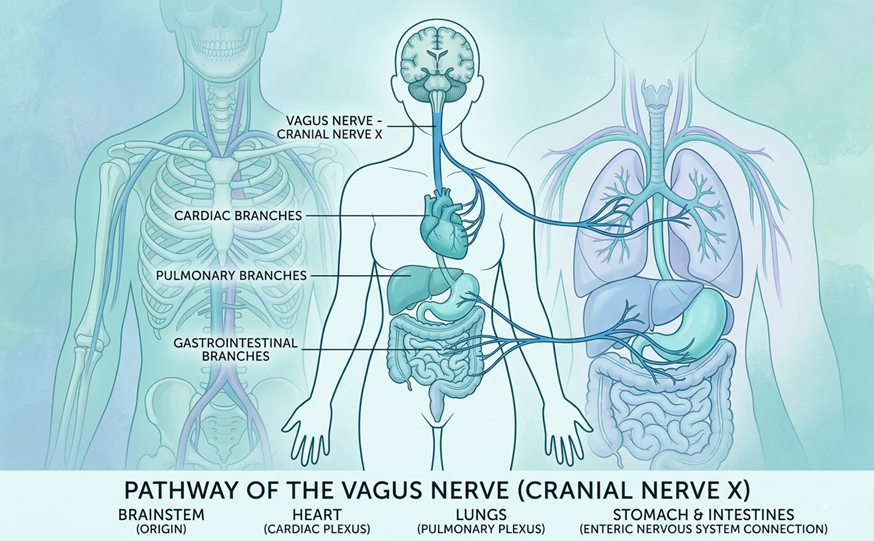
The vagus nerve is the longest and most complex nerve in your body, acting as a critical superhighway between your brain and your vital organs, including the heart, lungs, and digestive tract. It serves as the primary “on-switch” for your parasympathetic nervous system, which tells your body it is safe to rest, digest, and recover. When you are buried under a mountain of research or complex professional projects, your vagal “tone” can weaken, leaving you feeling constantly anxious, physically tense, and mentally scattered. To regain your focus and protect your health, many proactive students and professionals find that integrating expert assignment help from a reliable brand like myassignmenthelp allows them to offload the heavy lifting of documentation and formatting, giving their nervous system the essential breathing room it needs to reset and function at its peak.
The Science of the “Rest and Digest” System
To truly stop burnout before it causes long-term damage, you have to understand the mechanics of the Polyvagal Theory. Essentially, your nervous system operates in different “modes” or states based on your perception of safety. When you are under heavy deadlines, you enter the sympathetic state, commonly known as “fight or flight.” While this state provides a temporary boost of adrenaline, staying there for weeks at a time leads to chronic inflammation and cognitive decline. If the stress becomes too much to handle, your body may eventually “shut down” into a dorsal vagal state, which feels like a total lack of motivation, depression, and severe brain fog.
Vagus nerve toning is the intentional practice of strengthening your “vagal tone,” which acts like a muscle for your emotional resilience. A high vagal tone is associated with better emotional regulation, increased mental clarity, and even improved gut health. For those struggling with heavy academic workloads, managing these physiological responses is just as important as managing your calendar. For instance, if you are feeling completely overwhelmed by a specific, high-stakes subject, seeking political science assignment help can provide the necessary academic scaffold to lower your cortisol levels before they reach a dangerous breaking point.
Understanding Your Nervous System States
To help you identify where you are currently sitting on the stress spectrum, refer to the table below. Recognizing these signs early is the first step toward using toning exercises effectively.
| Nervous System State | Physical Sensations | Mental State | Recommended Action |
| Ventral Vagal (Safe) | Slow heart rate, deep breathing, relaxed muscles. | Creative, social, focused, and open to learning. | Continue healthy routines; focus on deep work. |
| Sympathetic (Alert) | Tight chest, shallow breathing, restless legs. | Anxious, irritable, obsessive “looping” thoughts. | Use Humming or Cold Water Splash immediately. |
| Dorsal Vagal (Shutdown) | Feeling “heavy” or numb, low energy, digestive issues. | Brain fog, hopelessness, “I can’t do this” mindset. | Gentle Ear Massage and light stretching; delegate tasks. |
1. The Power of Sound: Humming and Chanting
The vagus nerve passes right by your vocal cords and through the structures of the inner ear. This means that physical vibrations generated in the throat can directly stimulate the nerve and send an “all-clear” signal to the brain.
- The “Bee” Breath (Bhramari): This is a simple but powerful technique. Close your eyes and take a deep, slow breath in through your nose. As you exhale, keep your lips closed and make a steady, low-pitched “mmm” humming sound. Focus on feeling the vibration in your chest, throat, and even your teeth.
- The Science: These rhythmic vibrations signal to the brainstem that there is no immediate physical threat. This forces the heart rate to slow down and the mind to settle into a more analytical, rather than reactive, state.
2. Temperature Therapy: Cold Water Immersion
One of the fastest ways to “hack” your vagus nerve and break a spiral of anxiety is through cold exposure. While a full ice bath is excellent for recovery, you can get significant results with much less effort at your desk or in your bathroom.
- The Splash Method: Splash ice-cold water on your face for 30 seconds, ensuring the water hits the area around your eyes and forehead. Alternatively, hold a cold gel pack or a cold soda can to the side of your neck just below the earlobe for two minutes.
- The Physiology: This triggers the “mammalian dive reflex,” an ancient biological response that lowers the heart rate and redirects oxygenated blood flow to the brain and heart. It is like hitting the “reset” button on a computer that has frozen up.
3. Breathwork: The 4-7-8 Technique
Your breath is the only part of your autonomic nervous system that you can consciously control. Most people under academic or career stress take shallow breaths into their upper chest, which tells the brain to stay in “survival mode.”
- The Exercise: Inhale through your nose silently for a count of 4. Hold that breath for a count of 7. Then, exhale forcefully through your mouth, making a “whoosh” sound, for a count of 8.
- The Logic: The long, controlled exhale is the most important part of this exercise. It stimulates the vagal fibers in the lungs, which sends a physical message to the heart to slow its beat. This technique is often used by elite performers and athletes to stay calm under immense pressure.
4. Somatic Movement: Ear Massages and Eye Gazing
Since the vagus nerve is physically linked to the muscles in your neck and face, simple, subtle movements can release “stuck” tension that has been accumulating for weeks during your study or work sessions.
- Ear Massage: Gently rub the “concha” of your ear—this is the hollow part just outside the ear canal. There are specific vagus nerve endings located here. Rubbing this area in small circles for 60 seconds promotes immediate relaxation and can even help with headaches.
- The Basic Eye Reset: Keep your head facing straight forward. Without moving your head, shift your eyes as far to the right as you possibly can. Hold your gaze there until you feel a natural need to swallow, yawn, or take a deep sigh. Repeat this on the left side. This small movement helps reset the alignment of the top vertebrae in your neck, where the vagus nerve exits the skull.
Creating a “Sustainable” Productivity Model
Burnout is rarely the result of a single bad day or one difficult exam; it is the slow accumulation of “cognitive load” that the brain can no longer process effectively. In a globalized academic environment, students and professionals are often expected to perform at an elite level across multiple complex disciplines simultaneously. True productivity in 2026 isn’t about doing every single thing yourself until you collapse; it is about knowing when to use tools, resources, and support systems to maintain your health.
By combining these somatic exercises with strategic delegation—whether that means using professional research services for complex papers or organizing a peer-led study group to share the load—you transition from a state of “surviving” to “thriving.” You aren’t just finishing an assignment; you are protecting your long-term career and your most valuable asset: your mental well-being.
Summary Checklist for a Regulated Nervous System
To keep your vagal tone high and your burnout risk low, try this daily “Slow Lane” routine:
- Morning: 30 seconds of cold water on the face to wake up the system.
- Afternoon: 2 minutes of humming or “Bee Breath” between major tasks to clear the mental slate.
- Evening: A gentle ear massage and the 4-7-8 breathing technique before bed to ensure deep, restorative sleep.
- Weekly: Review your upcoming deadlines. Identify which tasks are causing the most “nervous system friction” and see where you can get help to reduce that load.
Low vagal tone makes every small email or minor correction feel like a life-altering crisis. High vagal tone makes even a massive, multi-year dissertation feel like a manageable series of interesting steps. Start small, listen to what your body is telling you, and remember that a healthy nervous system is the foundation of every academic and professional success you will ever achieve.
Frequently Asked Questions
What exactly is “vagal tone” and why does it matter?
Vagal tone refers to the activity and efficiency of your vagus nerve. High vagal tone allows your body to relax faster after a stressful event, improving your heart rate variability and mental clarity. Conversely, low vagal tone is often linked to chronic fatigue, poor digestion, and a decreased ability to handle daily pressure.
How soon can I expect to feel the results of these exercises?
Techniques like cold water immersion or the 4-7-8 breathing method often provide immediate physiological relief by forcing the heart rate to slow down. However, long-term resilience is built through consistency. Most people notice a significant shift in their baseline stress levels after practicing these somatic movements daily for two to three weeks.
Can these techniques help with concentration during long study sessions?
Yes. When your nervous system is regulated, your “executive function”—the part of the brain responsible for logic and focus—is fully online. By taking short breaks to stimulate the vagus nerve, you clear out the “mental fog” caused by the stress hormone cortisol, making your learning sessions more efficient.
Is it possible to over-stimulate the vagus nerve?
For most healthy individuals, these gentle exercises are perfectly safe. The goal is “toning” rather than intense stimulation. If you feel lightheaded during breathwork, simply return to your natural breathing pattern. Always listen to your body’s signals and start with the gentlest techniques, such as the ear massage or humming.
About The Author
Ella Thompson is a dedicated education consultant and researcher specializing in academic resilience and student wellness. With a background in pedagogical psychology, Ella focuses on bridging the gap between high-performance learning and mental health. Representing myassignmenthelp, Ella provides students with practical strategies to manage complex workloads while maintaining a balanced, sustainable lifestyle.