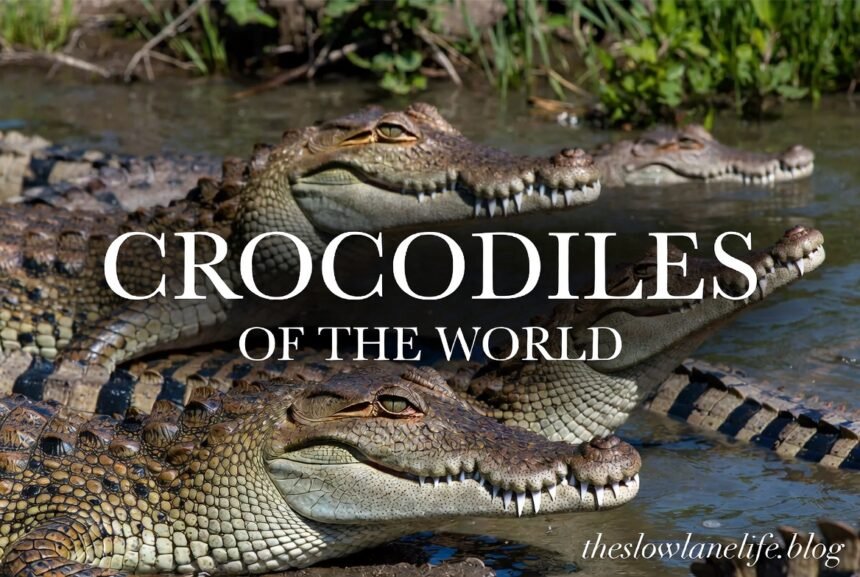
Welcome to the wild and toothy world of some of the oldest animals on Earth! Have you ever looked at a crocodile and thought it looked like a living dinosaur? Well, you are right! These big reptiles have been swimming in our rivers and lakes for millions of years. They are the ultimate survivors. When we talk about crocodiles of the world, we are talking about a huge family of hunters that live in warm places like Africa, Asia, Australia, and the Americas. Some are as small as a pet dog, while others are longer than a pickup truck!
In this article, we will explore why these creatures are so special. We will also meet the people who work hard to protect them. It’s not just about sharp teeth and powerful tails; it’s about a delicate balance in nature. These animals help keep our water clean and our ecosystems healthy. Whether they are hiding in the muddy Nile or splashing in the salt water of Australia, they always have a story to tell. Let’s dive in and learn everything there is to know about these “ruling reptiles.”
Who is Shaun Foggett? The Man Behind the Crocs
Every great mission has a hero, and for crocodiles in the UK, that hero is Shaun Foggett. Known as “The Croc Man,” Shaun turned his childhood love for reptiles into a world-class conservation center. He didn’t just start a zoo; he built a sanctuary. Shaun actually sold his own family home to fund his dream! That is what you call true dedication. He wanted to show people that crocodiles aren’t just “monsters” from movies, but intelligent and fascinating animals that need our help.
What Makes a Crocodile Different from an Alligator?
This is a question many people ask! At first glance, they look like twins, but they have some big differences. The easiest way to tell is by looking at their “smile.” When a crocodile closes its mouth, you can see a large tooth sticking up from the bottom jaw. Alligators hide their bottom teeth. Also, crocodiles usually have a “V-shaped” nose that is long and pointy. Alligators have a “U-shaped” nose that is wide and rounded, like a shovel.
Another cool fact is where they live. Crocodiles have special glands on their tongues that let them get rid of salt. This means they can live in salty ocean water or “brackish” water where rivers meet the sea. Alligators don’t have these glands, so they almost always stay in fresh water like swamps and lakes. Even though they look similar, the crocodiles of the world are built for a much wider range of adventures!
Where Do Crocodiles Live?
You won’t find a wild crocodile in a cold place like England or New York! They love the heat. These reptiles are cold-blooded, which means they need the sun to stay warm. You can find them across the “tropics.” This is the warm belt around the middle of the Earth. Africa is famous for the Nile Crocodile, which is a very strong and brave hunter. In Australia, the Saltwater Crocodile (or “Saltie”) reigns supreme as the largest reptile on the planet.
In the Americas, you can find the American Crocodile and various types of Caimans. Over in Asia, the strange-looking Gharial lives in the rivers of India. It has a very long, thin snout perfect for catching fish. No matter where they are, crocodiles of the world stay close to the water. They use the water to hide, to stay cool, and to sneak up on their dinner. They are the kings and queens of the riverbanks
The Secret Language of Crocodiles
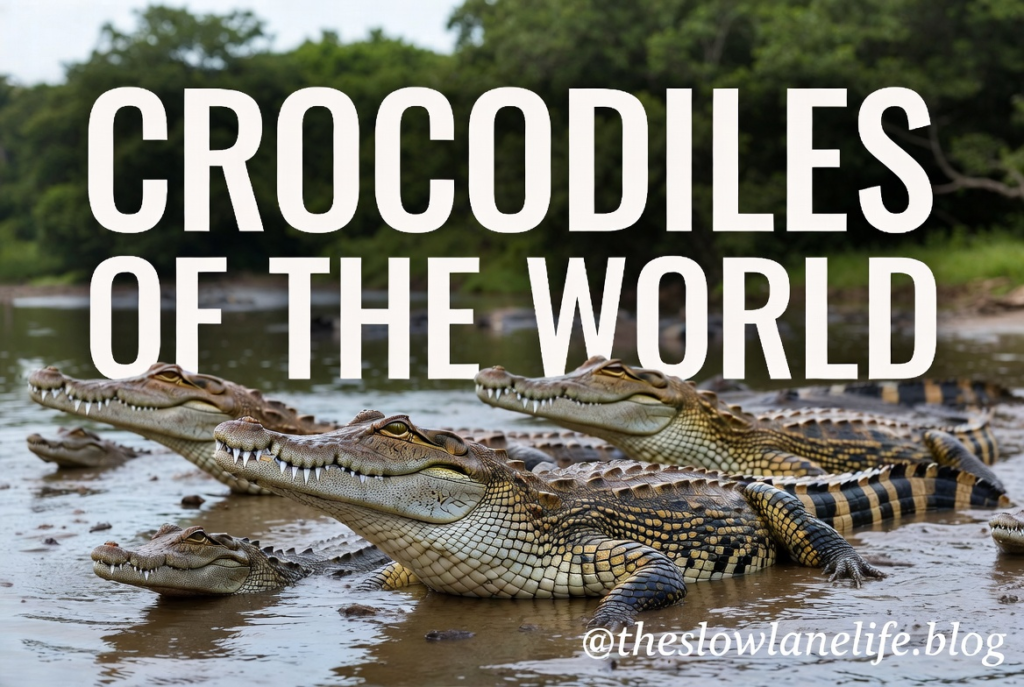
Did you know that crocodiles talk to each other? Most people think they are quiet, but they are actually very noisy! They make deep growls, hisses, and even “barks.” When a mother crocodile hears her babies chirping inside their eggs, she knows it is time to dig them out of the sand. This is very special because most reptiles don’t take care of their babies, but crocodile moms are very protective.
They also use “body language.” Sometimes they slap the water with their heads to tell other crocodiles to stay away. Or they might blow bubbles from their noses. To the crocodiles of the world, these sounds and movements are like a secret code. It helps them find mates, protect their territory, and keep their families safe. They are much more social than we give them credit for!
How Long Do Crocodiles Live?
Crocodiles are built to last! In the wild, many species can live for 60 or 70 years. Some of the biggest ones might even reach 100 years old. That means a crocodile born today could still be swimming when your grandchildren are grown up! Their secret to a long life is their slow metabolism. They don’t need to eat every day. In fact, a big crocodile can go for months without a single meal if it has to.
Because they grow slowly, they keep getting bigger and bigger as they get older. This is why the oldest crocodiles of the world are usually the most famous ones. They have survived through many years of changes in their environment. Their tough, scaly skin acts like a suit of armor, protecting them from predators and the harsh sun. They truly are the grandfathers of the animal kingdom
The Diet of a Master Hunter
What’s for dinner? For a crocodile, the answer is “whatever walks or swims by!” They are carnivores, which means they only eat meat. Young crocodiles start small by eating insects, frogs, and little fish. As they grow up, they move on to bigger prey like birds, monkeys, and even zebras! They are “ambush predators.” This means they sit very still under the water, looking like a floating log, and then—SNAP!
They have the strongest bite in the entire world. Once they grab something, they don’t let go. Since they can’t chew their food like we do, they sometimes perform a “death roll.” They spin their bodies around very fast in the water to break off pieces of meat. It sounds scary, but it’s just how the crocodiles of the world survive. They play a very important role by eating sick or weak animals, which keeps the rest of the wild population healthy.
Saving the Most Endangered Species
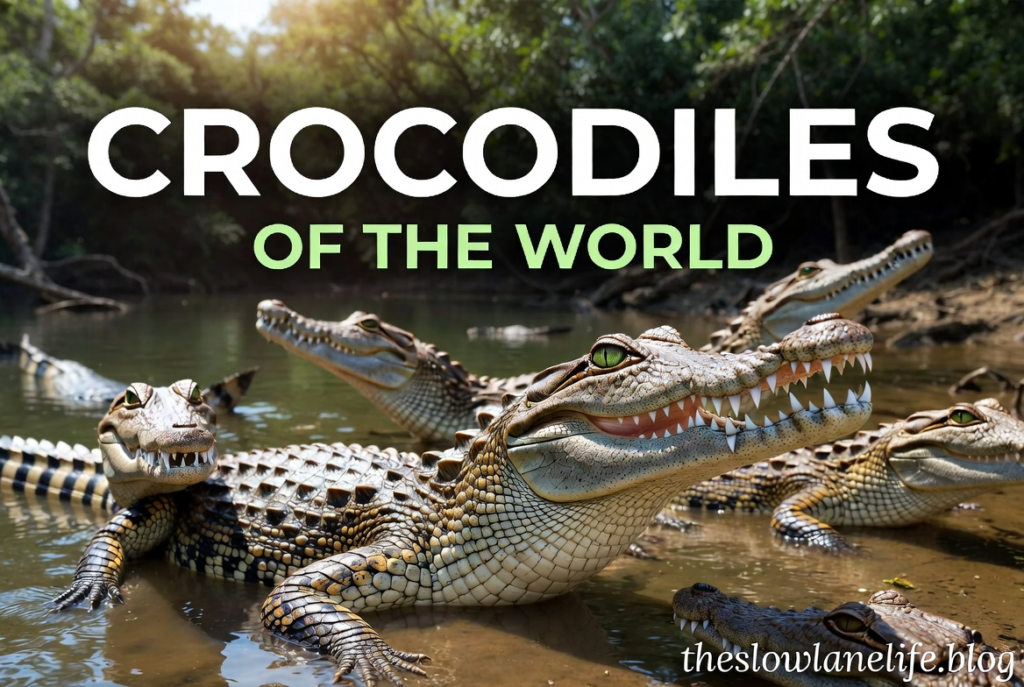
Sadly, not all crocodiles of the world are doing well. Some species, like the Siamese Crocodile or the Philippine Crocodile, are in big trouble. There aren’t many of them left in the wild because of hunting and habitat loss. This is where places like “Crocodiles of the World” come in. By breeding these rare animals in safety, conservationists can make sure they don’t disappear forever.
Protecting them means protecting the places they live, too. When we save a swamp for a crocodile, we also save the birds, fish, and plants that live there. It’s all connected! Many organizations are working with local people in different countries to teach them how to live safely alongside these big reptiles. Sharing the world with crocodiles is possible if we treat them with respect and give them the space they need.
Fun Facts for Young Explorers
Are you ready to impress your friends with some “croc-tastic” knowledge? Here are some of the coolest facts about these amazing creatures:
- No Sweat: Crocodiles don’t sweat! To cool down, they open their mouths wide. It looks like they are yawning, but they are actually just releasing heat.
- Stomach Stones: They swallow small rocks to help grind up their food and to act as weights so they can dive deeper!
- Night Vision: They can see very well in the dark thanks to a special layer in their eyes that reflects light.
- Quick Replacement: A crocodile can go through 3,000 teeth in its lifetime. If one falls out, a new one just grows right back!
- Croc Tears: They really do “cry,” but not because they are sad. The tears help clean their eyes and keep them moist.
The crocodiles of the world are full of surprises. From their prehistoric scales to their high-tech eyes, they are some of the most advanced animals on our planet.
Why We Should Respect Not Fear
It’s easy to be afraid of something with big teeth, but crocodiles deserve our respect more than our fear. They are an essential part of our planet’s history. They have survived mass extinctions that wiped out the dinosaurs! When we learn more about them, we realize they are mothers, hunters, and vital parts of the environment. By supporting zoos and conservation groups, we help ensure that the crocodiles of the world will be around for another million years.
Next time you see a picture of a crocodile, don’t just see a scary predator. See a survivor. See a living piece of history that has mastered the art of living on Earth. Whether you visit a zoo or watch a documentary, keep exploring. The more we know, the better we can protect these incredible kings of the river.
Faqs
1. Can crocodiles live in the ocean? Yes! Some species, like the Saltwater Crocodile, are excellent swimmers and can travel hundreds of miles across the sea. They have special glands to filter out the salt.
2. Are crocodiles faster than humans? In short bursts on land, they can move surprisingly fast, but they get tired quickly. In the water, however, they are much faster than any human swimmer!
3. What is the smallest crocodile in the world? The Dwarf Crocodile from Africa is the smallest. It usually only grows to about 5 feet long, which is much smaller than its giant cousins.
4. Do crocodiles really eat rocks? Yes, they do! They swallow stones called “gastroliths.” These stones help crush food in their stomachs and help them stay balanced under the water.
5. How many eggs does a crocodile lay? It depends on the species, but most mothers lay between 20 and 60 eggs. They bury them in nests made of sand or rotting plants to keep them warm.
6. Can I visit Shaun Foggett’s zoo? Absolutely! “Crocodiles of the World” is located in Oxfordshire, UK. It is a great place to see these animals up close and learn about how to save them.
Conclusion
We have traveled across the globe today, from the heart of the UK to the tropical rivers where these giants roam. The crocodiles of the world are more than just predators; they are a vital part of our natural heritage. Thanks to the hard work of people like Shaun Foggett and conservationists everywhere, we are learning how to protect these “living fossils” for the future.
What was your favorite fact about crocodiles? Whether it was the “death roll” or the way they talk to their babies, there is always more to discover. Let’s keep learning and showing respect for the wild world around us. Together, we can make sure the roar of the crocodile is heard for generations to come.